Painting Kitchen Cabinets: Prep Is Most of the Job
The sprayer or brush is the easy part. Cleaning, sanding and priming decide whether the finish holds.
October 27, 2026 · 4 min read
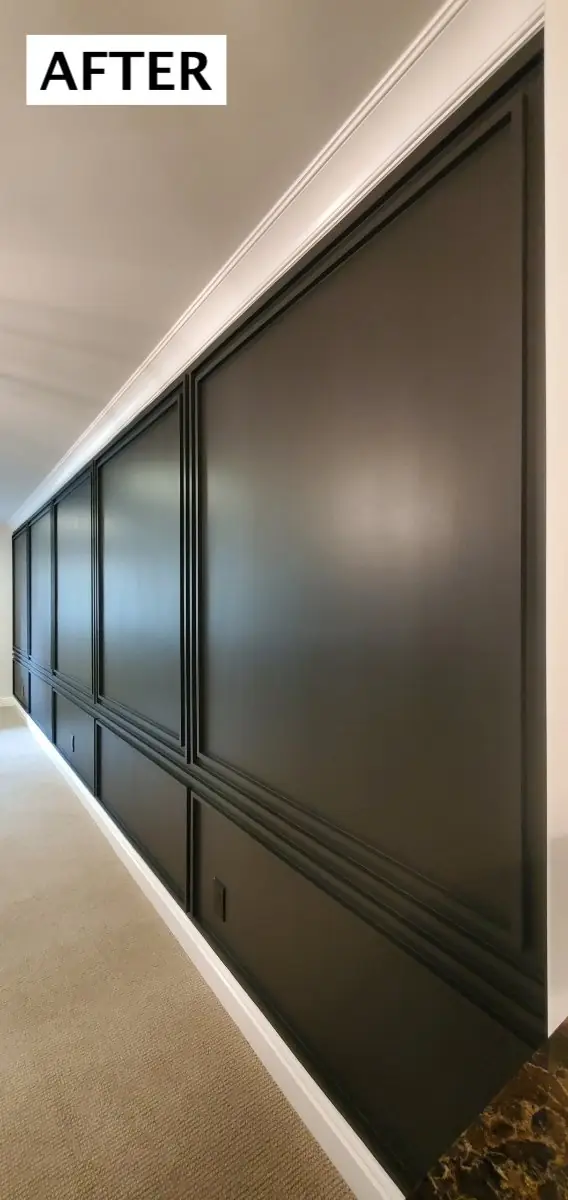
Cabinets are the hardest-working surface in a kitchen. They get grease, steam, hands, and a hundred door slams a week. A cabinet paint job that looks great at handover can start chipping at the edges in a season if the work behind it was rushed. When it's done well, painted cabinets can look like a brand-new kitchen for a fraction of what replacing them would run. Here's what that looks like on the inside.
Why prep is most of the job
If you watch a good cabinet job from start to finish, painting is the shortest part. Most of the hours go to getting the surface ready, because paint is only as strong as whatever it's stuck to. A glossy old finish, a film of cooking grease, or a layer of fingerprints will all make a topcoat peel, no matter how good the topcoat is.
Existing cabinets start with a degreasing wash. Kitchens put a film of oil in the air, and it settles on every door, especially the ones near the stove. Then the old finish gets scuff-sanded so new paint has something to grab. Cracks, dings, and old hardware holes get filled and sanded flush. After all that, the dust gets cleaned off, and only then does anything colored go on.
Doors off, hardware off
Painting cabinets in place, with the doors hanging, leaves paint in the hinges and brush marks at every edge. Better work takes the doors and drawer fronts off, labels them so they go back where they came from, and removes the hinges and pulls. The doors get finished flat on a rack, where the paint can level out without running. The boxes on the wall get masked and painted in place, with the countertops, floors, and appliances covered.
New cabinets versus existing ones
Raw, unfinished cabinets are easier in some ways: there's no old finish or grease to fight. They still need sanding, and open-grained woods like oak need the grain filled if you want a smooth, modern look instead of visible wood texture. Raw wood also soaks up paint and can bleed tannins, so it gets a proper primer first.
Existing cabinets are the more common job. Their challenge is the old finish, which might be varnish, a factory coating, or a previous paint job. Each behaves differently. A painter who has done many will know what to do with each, and will say so when something about your cabinets is unusual.
Primer, paint and the coats in between
A bonding or adhesion primer goes on first. It's the layer that locks everything underneath and gives the color something to hold. Then come finish coats of a hard, durable cabinet-grade paint, with a light sand between coats to knock down any dust or roughness. Each coat needs its own drying time before the next one goes on. Hurry that step and the layers don't bond well, which is the most common reason cabinet paint chips early.
Dry time is not cure time
This catches homeowners off guard. Paint that feels dry to the touch in hours is still soft underneath. Full cure, when the film reaches its final hardness, takes a lot longer, often a few weeks depending on the product and the conditions. During that stretch, doors can stick to their frames, shelf liners can leave marks, and a fingernail can dent the finish.
Handle your new cabinets gently while they cure. Skip the stick-on bumpers and liners for a while, wipe with a soft damp cloth rather than a scrub brush, and hold off on harsh cleaners. A good painter will tell you the cure window for the specific product they used, so ask for it.
What to ask any painter
- Do the doors come off, and how are they labeled and put back?
- How do you clean and sand existing finishes, and what primer do you use?
- How many coats go on, and is there a sanding step between them?
- How long until I can use the cabinets normally, and what should I avoid during cure?
- Can I see a finished cabinet job, up close?
Notice that none of those questions are about color. Color is the easy part. How the painter answers the others will tell you more than a sample chip.
Where cabinets go wrong
The failures are predictable. Paint peels near the sink because the surface was never degreased. Brush marks show up on door faces because the work was done in place. Edges chip because the primer was skipped or the coats were stacked too fast. Doors stick shut because someone closed them too soon. Every one of these is a prep or patience problem, and none of them is the paint's fault.
It's also worth being honest about what paint can't do. It won't fix a cabinet box that's swollen from water or a door that's warped. A straightforward painter tells you that during the estimate, not after the job starts.
Hues Painting lists kitchen cabinets, both new and existing, among its interior painting services in the Twin Cities. Rob Fast is up front about what he sees and gives free quotes. See the kitchen cabinets page, or call (612) 445-4023.
Hues Painting, (612) 445-4023
Call (612) 445-4023More articles
Popcorn Ceiling Removal and Knock-Down Texture: What the Job Really Involves
What scraping a popcorn ceiling involves, why older ones should be tested first, and what replaces them.
Painting a Fieldstone or Brick Fireplace: What Changes and What to Leave Alone
A painted fireplace looks completely different, and the work is mostly prep and patient brushing.